



CurriculumEarth and Space Science
Justin Zani, 10 June 2026
Earth and Space Science Volcanoes and Earthquakes Tour
Our Earth and Space Science students recently embarked on an action-packed, 5-day tour of the North Island's most famous geological wonders.
From the faults of Wellington to the volcanic peaks of Auckland, here is a recap of their incredible journey into the heart of New Zealand's dynamic landscape.
Day 1
A soggy day in Wellington.
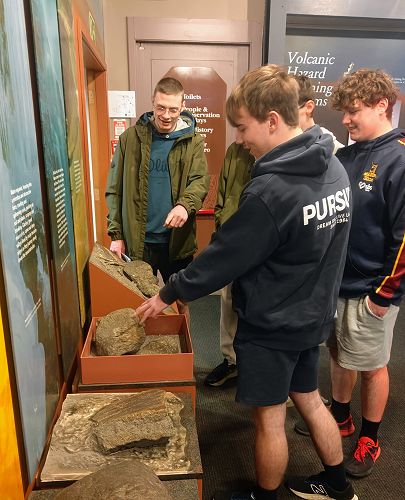
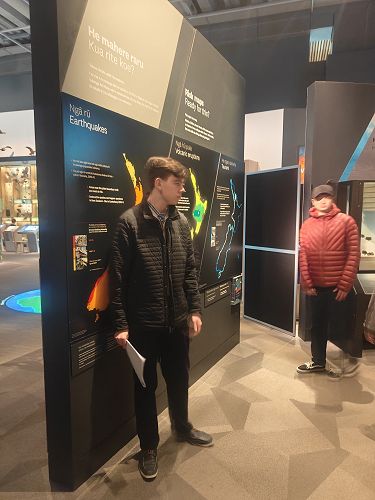
We arrived after a bumpy flight and visited Te Papa to explore the Te Taiao exhibit. Gallipoli is a must-see while we're here, and the earthquake simulator was popular with the boys.
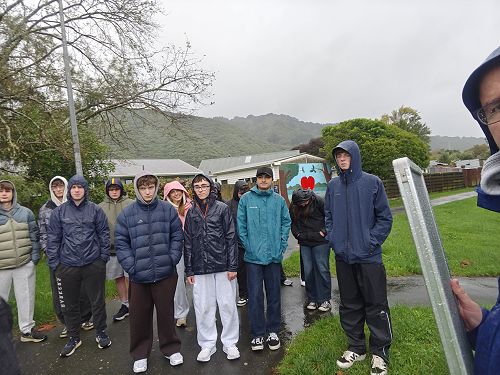
The Wellington Fault runs straight through Harcourt Park in Upper Hutt, and we were able to measure the offset river terraces created by multiple earthquakes on the fault over the last few thousand years.
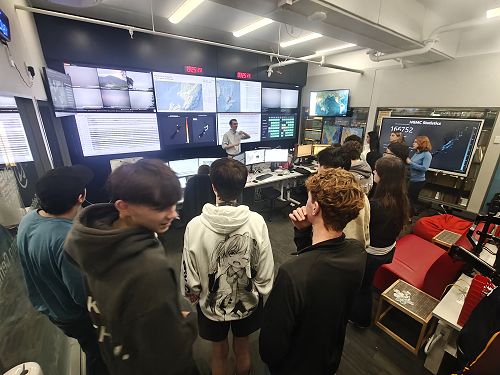
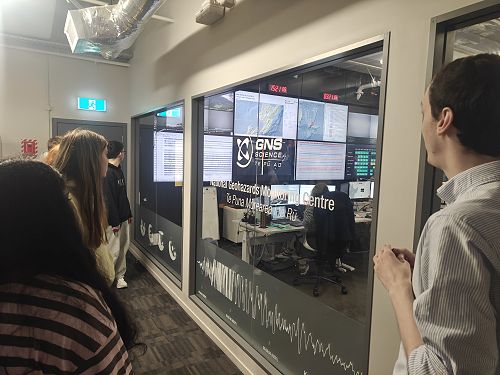
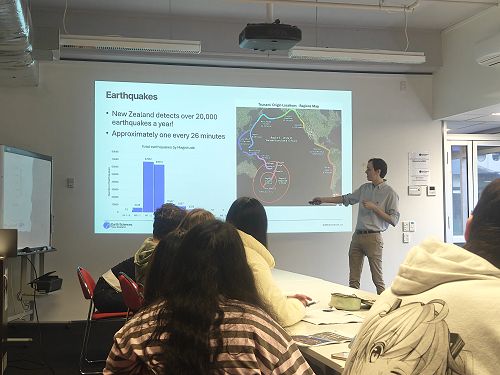
A real highlight and privilege was visiting the Geohazard Monitoring Centre in Wellington. Many thanks to Earth Sciences New Zealand for hosting us. Thankfully, there were no erupting volcanoes, earthquakes, or tsunami emergencies while we were there.
Day 2
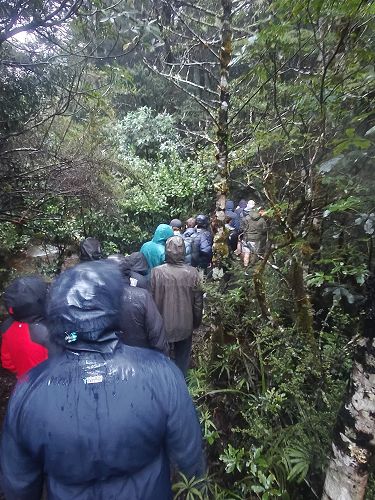
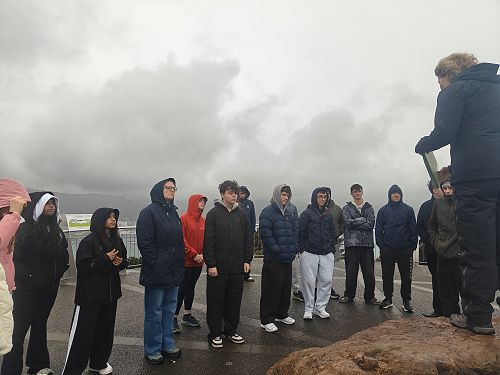
Huge kudos to our incredible Earth and Space Science students! They didn't let a little (or a lot!) of alpine rain get in the way of their passion for volcanology and fieldwork.
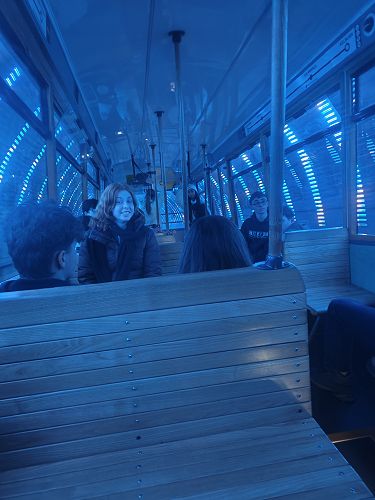
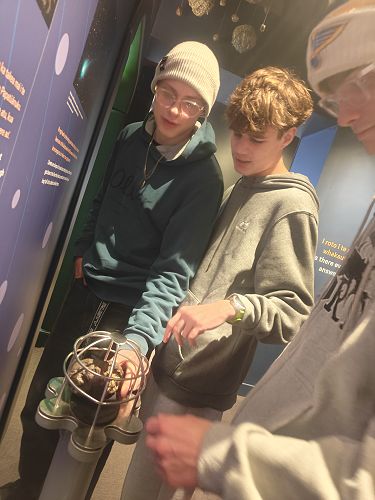
On Friday night we wrapped up Day 1 with a trip up Wellington's iconic cable car to Space Place at Carter Observatory. Students immersed themselves in Tātai Arorangi (Māori astronomy), explored interactive space displays, and got up close with meteorites and telescopes.
On Saturday morning we journeyed to Tangiwai, the historic site of New Zealand’s worst rail disaster. Standing on the grounds, students connected their classroom knowledge to real-world hazards, learning how a devastating 1953 lahar from the Mt Ruapehu crater lake permanently altered our volcanic monitoring systems.
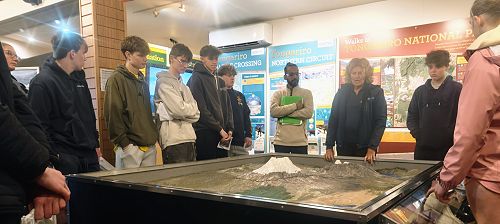
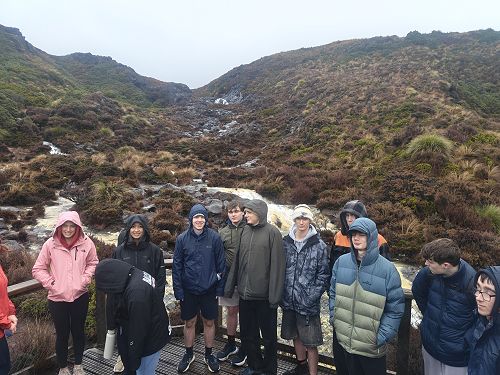
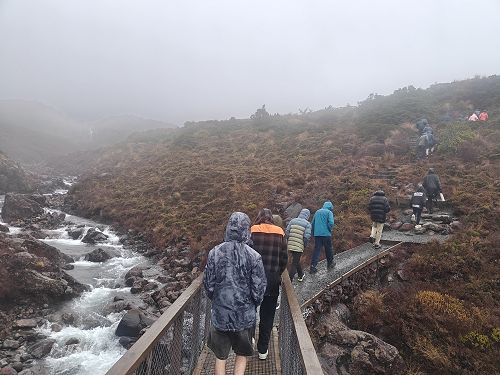
Saturday afternoon: We headed up Ruapehu to Whakapapa Village. While the low cloud hid our views of the central North Island volcanoes, it didn't stop the science! We tackled the Silica Rapids walking track instead. Students investigated the fascinating geochemistry behind the area's geothermal water, discovering how changing pH levels cause beautiful aluminosilicate minerals (allophane) to precipitate right before our eyes.
Wet weather couldn't damp the spirits or the curiosity of this crew.
Day 3
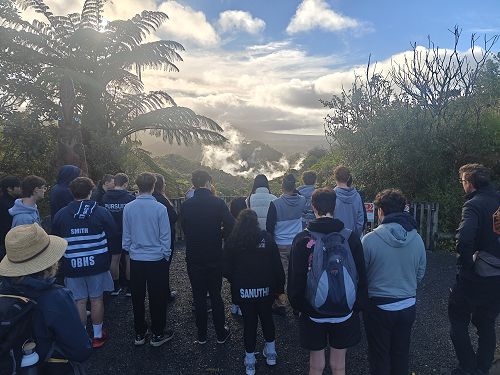
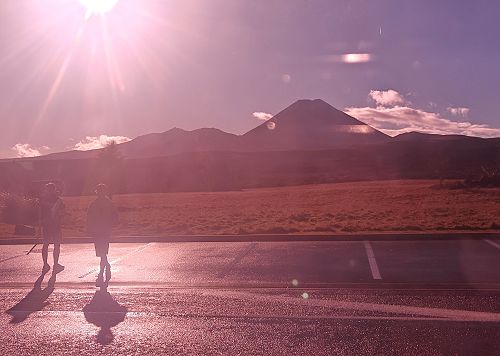
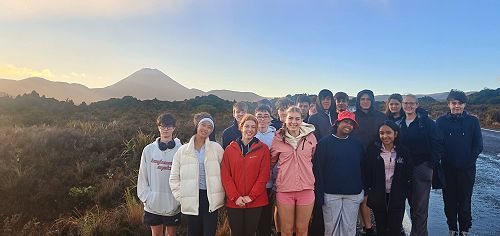
What a difference a day makes! The sun finally came out, and we were treated to spectacular, crystal-clear views of Mt Ruapehu, Mt Ngauruhoe, and Mt Tongariro. No more taking the teacher's word for it—the students got to see these majestic stratovolcanoes in all their glory!
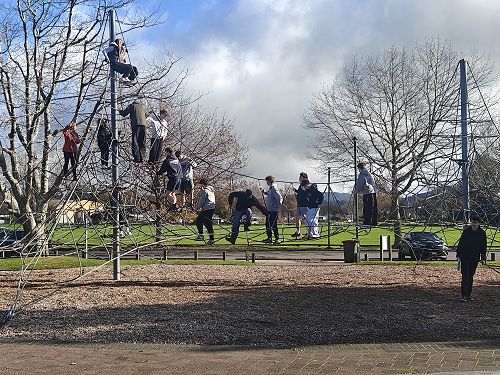
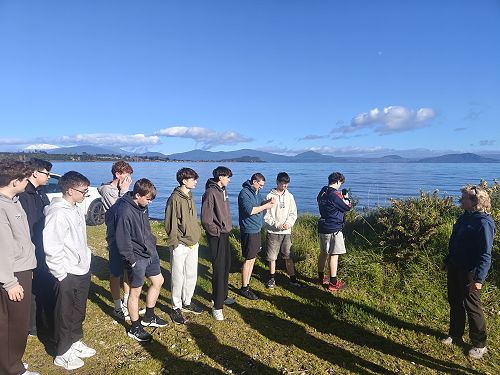
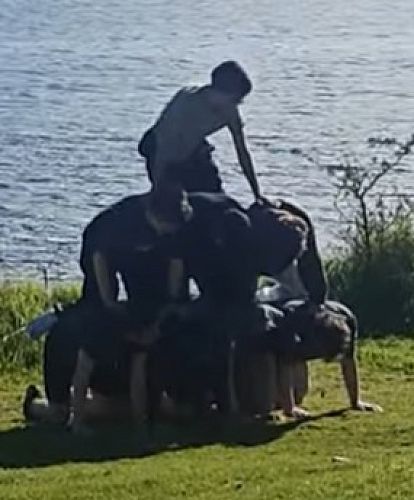
A quick stop on the shores of Lake Taupō to look at the scale of the ancient caldera-forming eruptions and contemplate potential future volcanic eruptions. Some mechanical issues turned this into a much longer delay, but the students made the most of the opportunity to enjoy the sun by playing games, sharing school songs, and building a human pyramid.
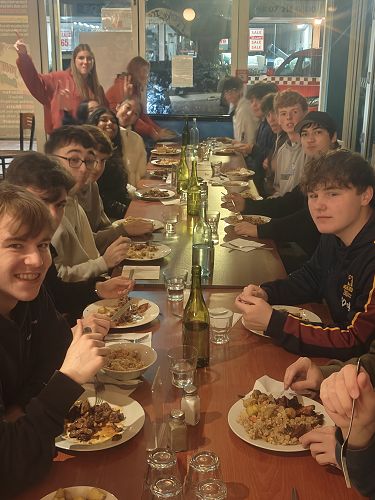
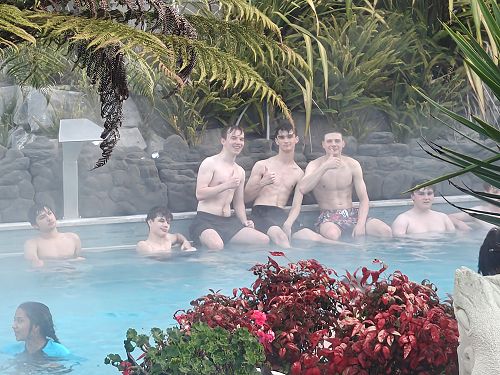
Thanks to our wonderful host Michelle from Learning Journeys we still managed to make our stop at Taupō DeBretts for a swim in the geothermal hot springs and water slides, before wrapping up the day with a Mongolian Barbecue - the boys were very happy taking full advantage of the all-you-can-eat buffet.
Day 4
We spent today exploring the unique landscapes, history, and geochemistry of the Rotorua region.
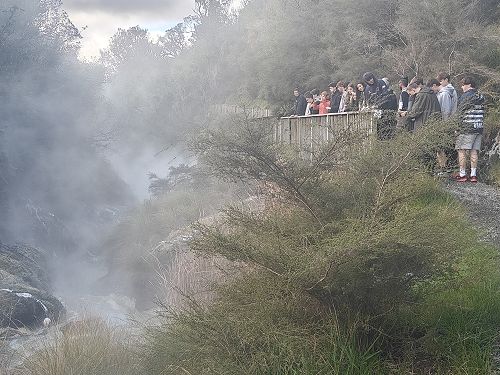
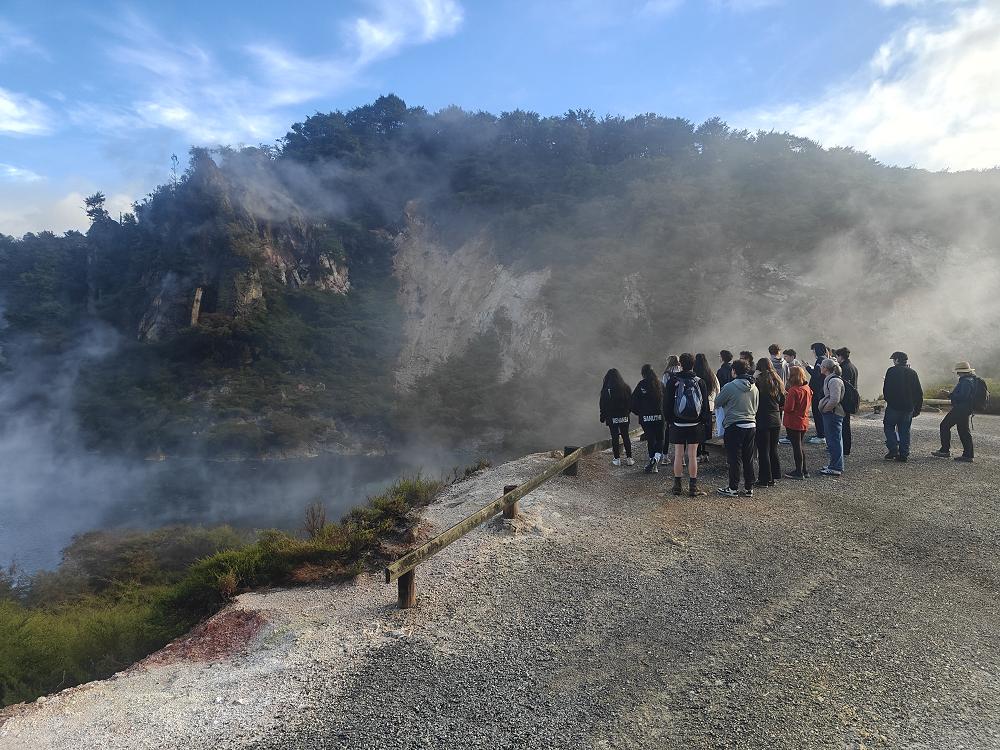
Our first stop was Waimangu Volcanic Valley, the world’s youngest geothermal system, where students observed hydrothermal features created by the 1886 Mt Tarawera eruption. Then we visited the Buried Village of Te Wairoa to see the archaeological and human impact of that same historic event.
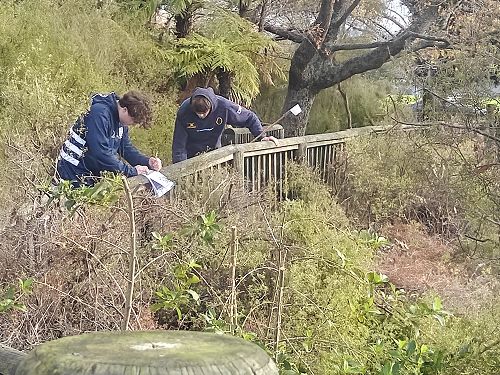
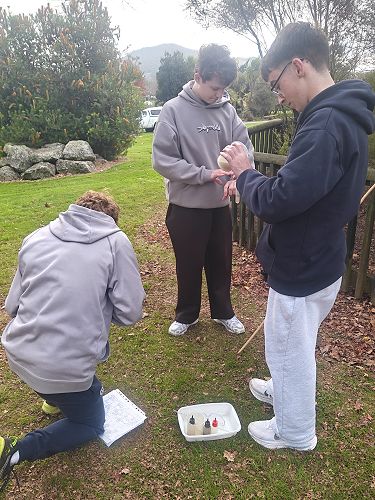
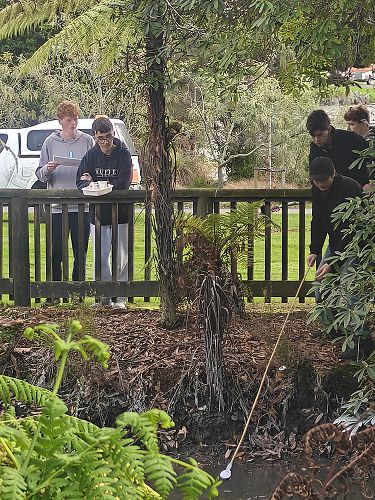
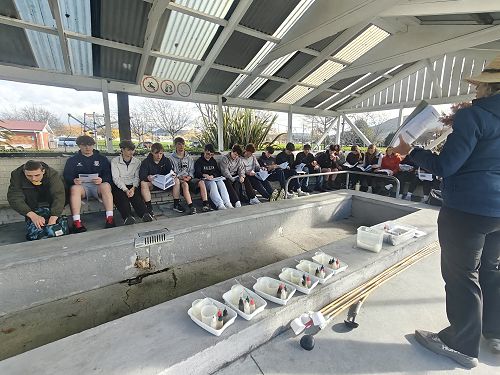
In the afternoon, we headed to Kuirau Park to put our science skills to work. Students conducted a qualitative chemistry investigation to test the geothermal hot springs. By identifying the specific ions present, they were able to classify the pools as either deep-seated alkaline chloride waters or shallow acid sulfate waters.
Another fantastic day of real-world Earth and Space Science.
Day 5
We wrapped up our 5-day tour today with a deep dive into the Auckland Volcanic Field.
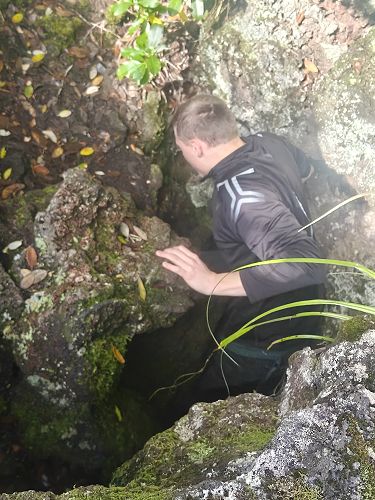
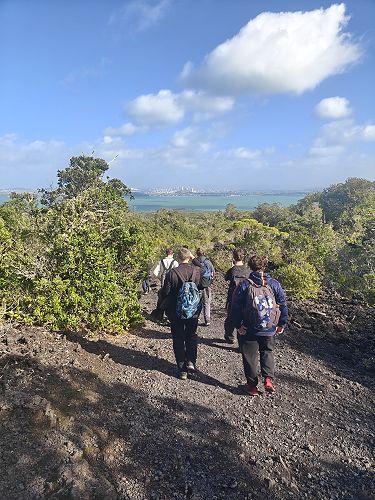
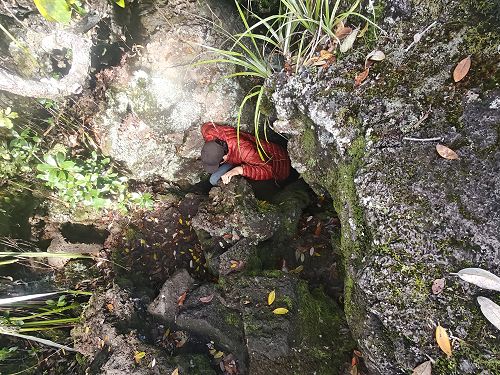
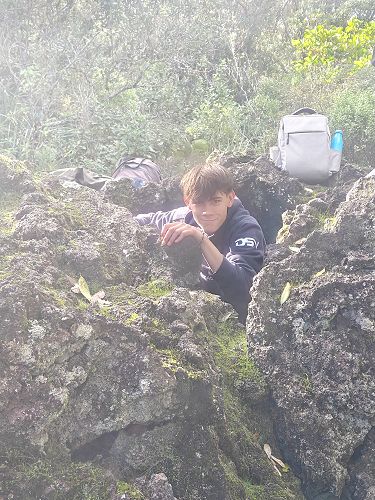
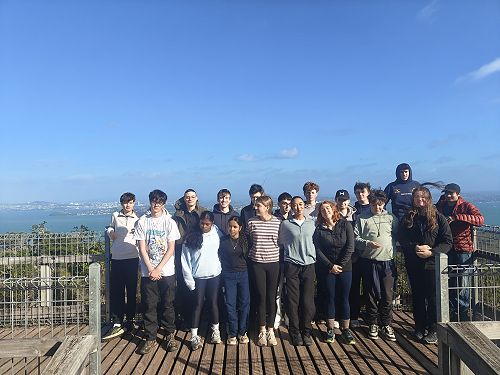
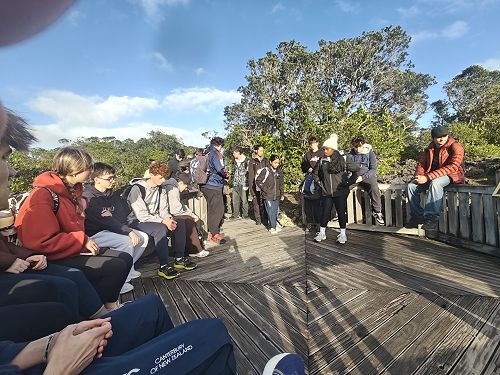
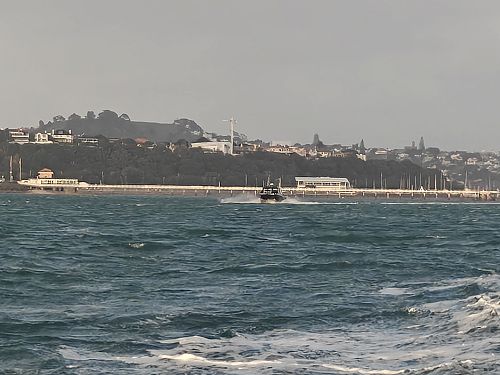
Our morning started with a water taxi to Rangitoto Island, Auckland’s youngest volcano. We hiked through the rugged a'a lava flows up to the summit for lunch. Along the way, students explored the island's unique ecology, native bush restoration efforts, and the historic baches. We also managed to explore some of the volcanic lava tunnels created during the island's eruption 600 years ago.
During the trek, we focused on the mechanics of the Auckland monogenetic volcanic field, looking at how these volcanoes erupt in distinct stages and discussing the ongoing risks and monitoring of future hazards in the region.
After returning to the mainland, we made one final stop at Maungawhau / Mt Eden to check out its massive scoria cones and deep crater, offering a perfect comparison to the basaltic shield landscape of Rangitoto.
A massive thank you to all the students for their incredible curiosity and engagement over the last five days. You have been fantastic ambassadors for Earth and Space Science!